
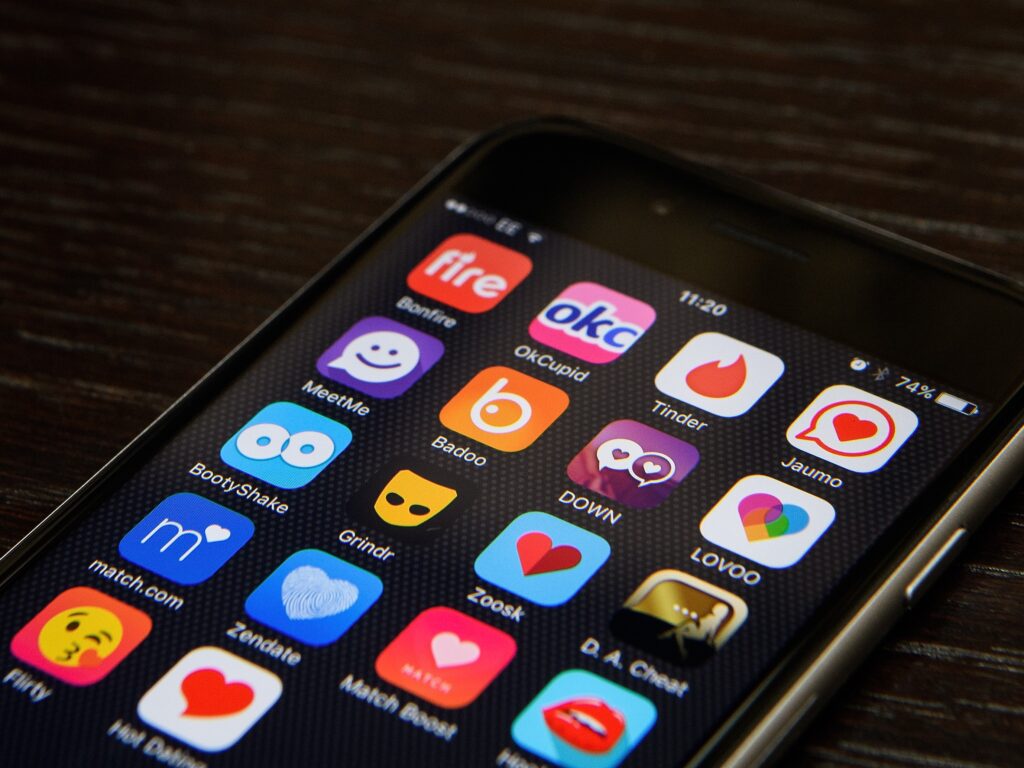

Dating Apps Become Job Search Tools After AI Ruins Hiring
People are so frustrated with AI-clogged hiring systems that they’re now using dating apps to find jobs. Tinder, Bumble, Hinge, and Grindr have become unexpected networking platforms where job seekers bypass automated filters to connect directly with hiring managers.
Gizmodo reports that AI ruined job applications, so people are resorting to dating apps to find work. The shift reveals how broken modern hiring has become when qualified candidates feel forced to swipe right just to get an interview.
Dating apps weren’t designed for job hunting. But when AI hiring tools filter out strong candidates and automated systems reject résumés for arbitrary reasons, dating apps offer something traditional job platforms can’t—actual human connection.
How AI Ruined Job Applications
Modern hiring has become a war between AI-generated résumés and AI-driven filters. The result is a broken system that dating apps are now helping people circumvent.
Automated Screening Gone Wrong
Many companies now use automated screening tools that parse résumés for keywords, titles, and formats. Reddit discussions show these systems often reject strong candidates whose CVs don’t match the exact template the algorithm expects.
Dating apps offer an alternative. Instead of fighting AI filters, job seekers connect with real people who work at target companies.
The Rise of Fake Candidates
Candidates use generative AI to mass-produce tailored résumés and cover letters. This floods applicant tracking systems with near-identical applications. CorpGa notes that recruiters report a rise in fake candidates and AI-polished profiles.
This AI-versus-AI battle pushed people toward dating apps where authenticity still matters. A quick conversation on dating apps reveals more about a candidate than any AI-optimized résumé.
The Broken Hiring Funnel
The result is a broken, noisy funnel. Good applicants get filtered out. Recruiters feel overwhelmed. People without elite networks get pushed to the margins. Dating apps became the unexpected solution.
The Data: Dating Apps as Job Search Tools
A survey highlighted by ResumeBuilder shows how widespread this behavior has become with dating apps.
One in Three Users Network on Dating Apps
The NY Post reports that about one in three dating app users say they’ve used dating apps to look for job or career opportunities. That’s roughly 34% of all users treating dating apps as professional networking tools.
Nearly 1 in 10 say their primary reason for being on dating apps is professional networking, not romance. Dating apps have fundamentally shifted beyond their original purpose.
Success Rates on Dating Apps
Among those who used dating apps for job-related purposes, the results are impressive:
88% made at least one meaningful professional connection through dating apps. 43% gained mentorship or career advice. 39% landed an interview. 37% received a job offer or referral through connections made on dating apps.
Higher earners are especially active on dating apps for networking. Roughly 47% of people earning over $200,000 report using dating apps as a networking channel.
Career advisors quoted by KnowTechie argue that “networking is the only way people are rising above the horror show that the job search is today.” Dating apps provide that networking opportunity.
How People Actually Use Dating Apps to Find Work
The strategy on dating apps is surprisingly deliberate, not just casual conversations that drift toward work topics.
Targeted Matching on Dating Apps
66% of surveyed users said they specifically look for people on dating apps who work at companies they want to join. 75% intentionally match with people on dating apps in roles similar to the ones they want.
This targeted approach turns dating apps into precision networking tools. Instead of cold messaging hundreds of strangers on LinkedIn, users on dating apps can have warm conversations with people already interested in connecting.
Turning Dating Apps Profiles Into Mini-Résumés
Users rewrite dating apps profiles to highlight job titles, skills, industries, and side projects. Some explicitly state on dating apps they’re open to “collabs, mentorship, or career conversations.”
This blurs the line between dating and networking on dating apps. But for job seekers, it’s an effective workaround when traditional channels fail.
Direct Professional Outreach Through Dating Apps
After matching on dating apps, users quickly pivot to professional topics. Common openers include: “I’ve been trying to break into your industry—would you be open to sharing how you got into your role?”
Many move chats from dating apps to LinkedIn, email, or coffee meetings where the conversation becomes explicitly career-focused. Dating apps serve as the icebreaker that traditional networking platforms can’t provide.
Why Dating Apps Beat Traditional Job Platforms
The LA Times explains several factors driving this trend toward dating apps.
The Tough Job Market
42% of respondents say they turned to dating apps for networking because the job market is so difficult. Traditional applications through company websites disappear into AI-filtered black holes.
Dating apps offer a way around these automated gatekeepers. A direct connection with someone inside the company beats any algorithmically optimized résumé.
Desperation and Lack of Access
29% cite desperation to find work or advance as their reason for using dating apps professionally. 22% say they simply lack networking opportunities anywhere else.
For people without Ivy League alumni networks or industry connections, dating apps level the playing field. Anyone can swipe right on a hiring manager.
LinkedIn Is Too Crowded
LinkedIn has become saturated and noisy. Cold DMs on LinkedIn often feel spammy and get ignored. Dating apps provide a less crowded alternative where messages actually get read.
On dating apps, people expect one-to-one, conversational interaction. This makes it easier to build rapport than on professional platforms where everyone’s trying to network.
The Human Element
Dating apps feel “human-first” rather than optimized for corporate branding. Profiles on dating apps include rich personal and professional details—education, interests, sometimes job titles. This gives natural hooks for career conversations.
Some platforms have leaned into this. Bumble Bizz explicitly offers a networking mode on dating apps that mimics the swipe UI but focuses on careers instead of dates.
Risks of Using Dating Apps for Job Hunting
Using dating apps for job hunting isn’t risk-free. Several ethical gray areas exist.
Mixed Signals on Dating Apps
People who are on dating apps purely for dating might feel misled when conversations turn professional. This creates awkward situations and potential resentment.
Harassment Risks
Networking on dating apps designed for romance can amplify harassment risks. This is especially true when senior professionals mix work and dating messages on the same platform.
Reputation Concerns
Some users worry that being seen as “here for work” on dating apps may hurt their dating prospects. Others worry that using dating apps professionally could damage their professional reputation.
Privacy and Security
Sharing work details, company names, or locations on dating apps can expose people to stalking or social engineering. Dating apps weren’t designed with professional privacy protections.
Career experts advise being transparent about intentions on dating apps. Keep conversations respectful. Move serious professional discussions to more appropriate platforms once a connection is made.
What This Reveals About AI Hiring
The rise of dating apps as a workaround is a symptom, not the disease. It reveals how AI-driven hiring has made job search feel dehumanized and random.
When algorithms gatekeep opportunity, people will route around the system to find the humans who still make final decisions. Dating apps provide that direct human access.
This highlights a growing divide. Those with strong offline networks don’t need dating apps to get jobs. Those without are improvising in any channel where real people still pay attention.
Dating apps are just the latest informal networking space—like alumni bars or coworking events—repurposed because the formal hiring funnel has become saturated with AI noise.
The Bottom Line
People are turning to dating apps to find work after AI ruins job applications. About one in three dating app users now use these platforms for professional networking. Nearly 40% land interviews through connections made on dating apps.
The shift happened because AI-driven hiring filters out qualified candidates automatically. Automated screening tools reject strong résumés for arbitrary reasons. Meanwhile, candidates use AI to generate applications, creating a noisy system that benefits nobody.
Dating apps offer something traditional job platforms can’t—actual human connection. Users on dating apps target specific companies and roles, turn profiles into mini-résumés, and pivot conversations toward career opportunities.
The strategy works. 88% of people using dating apps for networking made meaningful professional connections. 37% received job offers or referrals through dating apps.
But using dating apps for job hunting carries risks. Mixed signals, harassment concerns, reputation worries, and privacy issues all exist when professional networking happens on platforms designed for romance.
The trend reveals deeper problems with AI hiring systems. When qualified candidates feel forced to use Tinder to bypass automated filters, the hiring pipeline is fundamentally broken.
For job seekers, the lesson is to diversify networking channels. Use AI to polish résumés, but build human relationships wherever real people pay attention—including on dating apps when used respectfully and transparently.
For employers, the message is clear. If great candidates resort to dating apps to get around your AI filters, your hiring system is failing in ways no algorithm can fix.
Author: M. Huzaifa Rizwan