
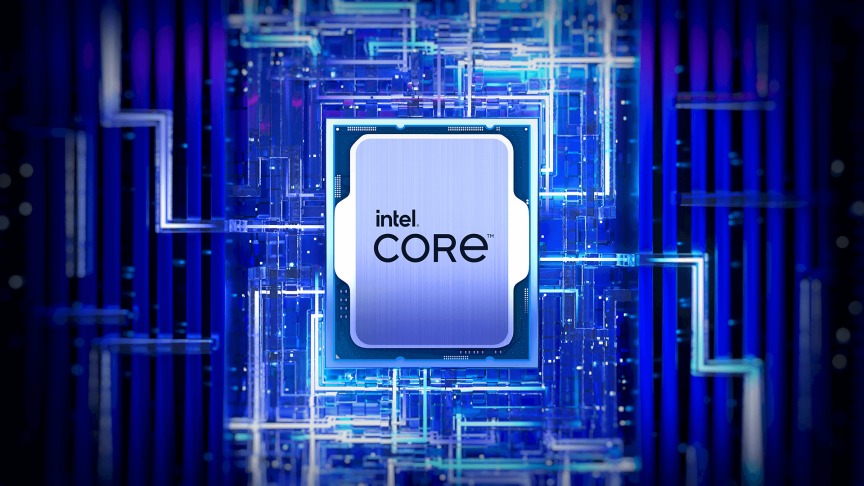

Intel Builds New Gaming Platform With Dedicated Chip
BREAKING: Intel is building a new handheld gaming platform with its own dedicated chip at CES 2026. The company just announced a custom Panther Lake-based processor designed specifically for portable gaming devices to challenge AMD’s dominance.
TechCrunch reports that Intel’s gaming platform aims to power a whole ecosystem of Steam-Deck-style devices. This marks Intel’s deepest push into gaming hardware since Arc GPUs launched in 2022.
Intel confirmed it’s not just making general-purpose CPUs. The company is building a full gaming platform with a dedicated chip variant for portable devices announced at CES 2026 in Las Vegas.
BREAKING: Intel’s Gaming Platform Revealed
At CES 2026, Intel VP and PC products GM Daniel Rogers revealed the new gaming platform for handheld devices. The platform includes both hardware and software components designed for portable gaming.
Intel’s official announcement shows the gaming platform is built on Intel Core Ultra Series 3 “Panther Lake” processors. These are the first chips on Intel’s advanced 18A process rolling out now.
Intel confirmed this future gaming platform includes a chip specifically tuned for handheld gaming, not just repurposed laptop silicon. This gaming platform represents Intel’s first serious attempt to define a reference design for handheld PCs.
Custom Chip Powers Gaming Platform
IGN exclusively reports that Intel’s dedicated handheld chip is a hardware-specific variant of a Panther Lake CPU die. The gaming platform chip is currently branded internally as “Intel Core G3” for handhelds.
Built on 18A Node
Built on Intel’s 18A node, the gaming platform die can be sliced and configured with different balances of CPU and GPU. This allows Intel to favor GPU performance and efficiency for the gaming platform.
New Arc Graphics
The gaming platform integrates a new Intel Arc B390 iGPU with 12 Xe-cores. Tom’s Hardware notes Intel says this delivers up to 77% faster gaming performance than the Arc 140V in Lunar Lake.
The dedicated chip within the gaming platform is designed to push higher frame rates at 720p-1080p on small screens. The gaming platform maintains good battery life via process and power-management optimizations.
Complete Gaming Platform Ecosystem
Intel is pitching this as a holistic gaming platform for handhelds, not just a CPU. The gaming platform brings together silicon, reference designs, and ecosystem partners.
Hardware Reference Designs
Seeking Alpha reports that Intel’s gaming platform includes reference designs. Intel is working with OEMs and ODMs to define reference layouts for cooling, displays, controls, and battery configurations.
Software Stack
The gaming platform works closely with Windows and potentially customized shells. Intel is optimizing drivers and firmware for handheld-style use cases through the gaming platform.
Ecosystem Partners
Dan Rogers mentioned a “whole ecosystem” for the gaming platform. Manufacturers like MSI, Acer, Microsoft, GPD, Foxconn, and Pegatron are lined up around the gaming platform.
This is Intel’s answer to AMD’s near-monopoly in devices like Steam Deck and ASUS ROG Ally. The gaming platform represents a vertically coordinated approach instead of just another mobile CPU option.
Why Intel Built This Gaming Platform Now
Several industry trends explain why Intel is investing in a dedicated gaming platform in 2026.
Handheld PC Boom
Since the original Steam Deck, demand for portable PC gaming has surged. Multiple vendors are releasing AMD-based handhelds, creating opportunity for Intel’s gaming platform.
Technology Ready
Intel’s 18A process and updated Arc graphics provide enough performance-per-watt for the gaming platform. Efficiency matters as much as raw FPS in handhelds where Intel’s gaming platform competes.
AMD Competition
AMD currently powers many handhelds. Intel wants a foothold in this growing segment through its gaming platform to reinforce its broader gaming and client-PC business.
Intel’s newsroom confirms CES 2026 is where Intel formally turned intent into a gaming platform strategy with silicon behind it.
What Gaming Platforms Mean for Industry
If Intel executes, the new gaming platform could have tangible benefits for gamers and device makers.
For Gamers
The gaming platform offers more choice in handheld devices. Intel-powered options through the gaming platform compete on performance, battery life, and price.
Potentially better driver support comes with the gaming platform. Intel has long history on desktop and recent Arc GPU work supporting the gaming platform.
For OEMs
The gaming platform provides a ready-made blueprint for handhelds. This reduces R&D overhead and time-to-market for devices using the gaming platform.
Deep technical collaboration with Intel on thermals and power comes with the gaming platform. OEMs don’t have to stitch components together alone when using the gaming platform.
For Intel
This is a chance to redefine Intel’s gaming reputation. The gaming platform targets an era where players want powerful, portable experiences making it one of Intel’s most strategic bets.
Gaming Platform Competition Heats Up
The announcement puts pressure on AMD’s current dominance in portable gaming hardware. AMD powers Steam Deck, ASUS ROG Ally, and Lenovo Legion Go without significant Intel competition until this gaming platform.
Intel’s gaming platform arrives as the handheld PC market expands rapidly. Valve’s Steam Deck proved demand exists for portable PC gaming beyond Nintendo Switch.
The gaming platform launch coincides with Microsoft and other partners exploring handheld Windows devices. Intel’s gaming platform provides the chip foundation these partners need.
The Bottom Line
BREAKING: Intel is building a new handheld gaming platform with its own dedicated chip announced at CES 2026. The company confirmed a custom Panther Lake-based processor designed specifically for portable gaming.
Intel’s gaming platform combines hardware reference designs, software stack, and ecosystem partnerships. The gaming platform includes a chip specifically tuned for handheld gaming, not repurposed laptop silicon.
The dedicated gaming platform chip is built on Intel’s 18A node with new Arc B390 iGPU graphics. Intel claims up to 77% faster gaming performance than previous Arc 140V through the gaming platform.
Ecosystem partners for the gaming platform include MSI, Acer, Microsoft, GPD, Foxconn, and Pegatron. This gaming platform represents Intel’s answer to AMD’s dominance in Steam Deck and ROG Ally devices.
The gaming platform launches as handheld PC demand surges since original Steam Deck. Intel’s 18A process and Arc graphics now provide enough performance for the gaming platform to compete.
For gamers, the gaming platform offers more device choice with Intel-powered options. For OEMs, the gaming platform provides ready-made blueprints reducing development time.
Intel’s gaming platform marks the company’s deepest push into gaming hardware since Arc GPUs in 2022. This gaming platform represents one of Intel’s most strategic bets in PC gaming space.
Author: M. Huzaifa Rizwan