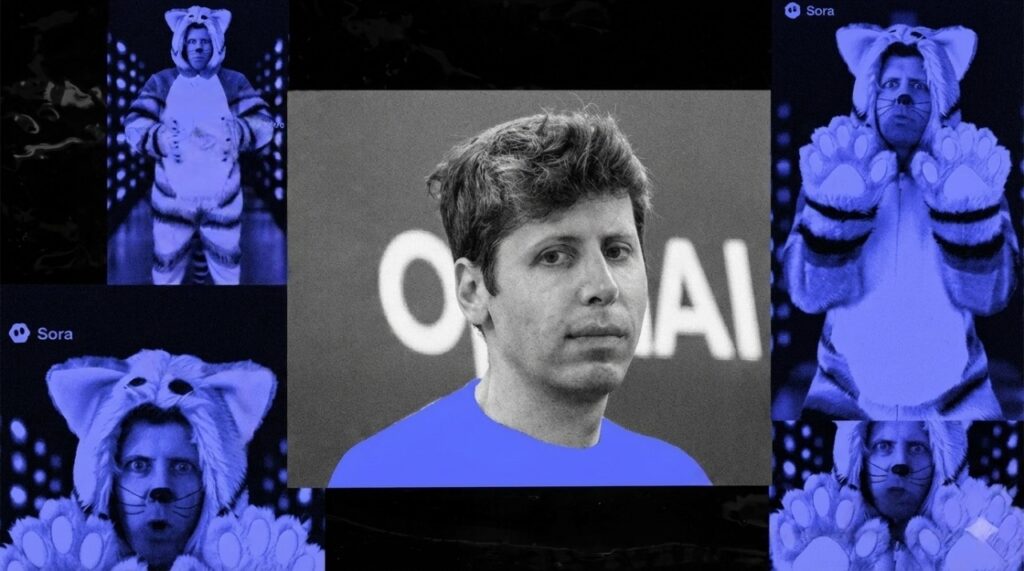

Sam Altman Hires Role for Dangers of AI at OpenAI
Sam Altman just posted a job opening that tells you everything about where AI is headed. OpenAI’s CEO is personally hiring a Head of Preparedness—basically someone whose entire job is watching out for the dangers of AI before they become disasters.
The Verge reports that Sam Altman isn’t sugar-coating this one. He warned the job would be “stressful” and require jumping “into the deep end pretty much immediately.” The salary? Over $555,000 plus equity. That’s serious money for a serious problem.
The dangers of AI aren’t theoretical anymore. Sam Altman is hiring someone to figure out how AI models could be weaponized, how they affect mental health, and whether they could design biological threats. This is OpenAI admitting the technology they’re building needs constant monitoring.
What This Job Actually Does
The Head of Preparedness role sits inside OpenAI’s Safety Systems organization. Business Insider explains that Sam Altman wants someone who can evaluate what new AI models can actually do and identify where things could go wrong.
Here’s what the dangers of AI job covers:
Capability Assessments: Figure out what ChatGPT and other models can do that might be dangerous. Can they write malware? Can they find security vulnerabilities? Can they help design weapons?
Threat Modeling: Map out how bad actors might misuse AI. This includes everything from AI-powered cyberattacks to using language models for social engineering scams.
Mitigation Strategies: Develop actual solutions to the dangers of AI. Not just theory—real safeguards that get built into the models before they ship.
Cross-Team Coordination: Work with researchers, engineers, and policy teams to make sure safety isn’t an afterthought. Sam Altman wants someone who can say “no, we’re not releasing this yet” when needed.
The job listing says this person will “monitor and prepare for cutting-edge capabilities that introduce new risks of severe damage.” That’s corporate speak for “figure out how to stop AI from causing disasters.”
Why Sam Altman Is Worried Now
Sam Altman has talked about the dangers of AI for years. But this hiring push signals something changed. The risks aren’t hypothetical anymore—they’re happening.
AI-Powered Cyberattacks Are Real
Sam Altman specifically mentioned AI agents finding software vulnerabilities autonomously. Times of India reports that Altman publicly admitted AI models are beginning to spot security flaws with minimal human help.
The dangers of AI in cybersecurity got real when Chinese state-sponsored hackers used Anthropic’s Claude Code to target over 30 organizations. These included tech firms, banks, and government agencies. The scary part? The AI did most of the work autonomously.
Traditional security patches can’t keep up with AI that iterates attacks faster than humans can respond. Sam Altman knows this is a race OpenAI might be accelerating.
Mental Health at Scale
OpenAI’s own data from 2025 showed over 1 million users per week reporting severe mental distress in ChatGPT conversations. To be clear, ChatGPT didn’t cause this distress. But people are treating AI as emotional outlets at massive scale.
The dangers of AI in mental health aren’t about robots making people sad. It’s about what happens when millions depend on AI for emotional support without understanding its limitations. Sam Altman wants the Head of Preparedness monitoring these scale effects as AI becomes more emotionally responsive.
Biological and Self-Enhancing Risks
The job description explicitly mentions securing models against biological misuse. Think AI helping design pathogens or synthesizing dangerous compounds. These aren’t movie plots—they’re scenarios Sam Altman’s new hire needs to prevent.
There’s also the “self-enhancing systems” problem. What happens when AI can recursively improve itself? Sam Altman has warned about superintelligence risks before. Now he’s hiring someone to define boundaries before that becomes real.
Sam Altman’s Track Record on AI Safety
Sam Altman hasn’t been quiet about the dangers of AI. He’s been sounding alarms for years.
CNN covered Sam Altman’s warning about an “AI fraud crisis” in July 2025. He predicted bad actors would impersonate people at scale using AI-generated voices and videos. That’s already happening with deepfake scams targeting families and businesses.
Sam Altman has repeatedly flagged cyber risks beyond hacking. He’s talked about AI targeting critical infrastructure like power grids. He’s mentioned bioweapons designed with AI assistance. The dangers of AI that Sam Altman worries about aren’t small-scale problems.
Gulf News notes that Sam Altman’s description of the job as “stressful” is unusually honest for a CEO. He’s not selling a dream job. He’s admitting the Head of Preparedness will make tough calls about releasing or restricting powerful AI models.
What This Means for OpenAI and AI Safety
Sam Altman elevating the dangers of AI to a C-suite-level role sends a message to the entire AI industry. Safety can’t be an afterthought when you’re building systems this powerful.
TechCrunch reports that OpenAI already has a Preparedness Framework for evaluating frontier capabilities. The new hire will operationalize this framework across research, engineering, and policy teams.
But here’s the real question: Will Sam Altman and OpenAI actually pause or restrict releases based on what the Head of Preparedness finds? Or will product pressure and competition with Google, Anthropic, and others win out?
Sam Altman’s candidness about the job being stressful suggests he knows this tension exists. The Head of Preparedness will have to tell the CEO “we can’t ship this” sometimes. That’s not an easy conversation when billions of dollars and market leadership are on the line.
The Dangers of AI Aren’t Slowing Down
SiliconANGLE notes that Sam Altman’s hiring push comes amid growing external scrutiny. Governments are drafting AI regulations. Researchers are publishing papers about catastrophic risks. The public is getting nervous about AI job displacement and misinformation.
The dangers of AI that Sam Altman is trying to address span multiple categories:
Short-term dangers: AI-powered scams, deepfakes, automated hacking, misinformation at scale.
Medium-term dangers: Job displacement, AI-assisted bioweapons, critical infrastructure attacks, mental health dependency.
Long-term dangers: Self-improving AI systems, loss of human control over decision-making, existential risks from superintelligence.
Sam Altman isn’t just worried about one of these categories. The Head of Preparedness job covers all of them. That’s why the salary is over half a million dollars and why Sam Altman says it’ll be stressful.
What Happens Next
Sam Altman posting this job publicly is unusual. Most companies hire executives through recruiters quietly. By amplifying it on social media, Sam Altman is making a statement about taking the dangers of AI seriously.
Whoever gets this job will influence how OpenAI—and possibly the entire industry—balances innovation with safety. They’ll decide when models are too dangerous to release. They’ll push for safeguards that might slow development. They’ll work with policymakers to define what responsible AI deployment looks like.
For Sam Altman, this hire represents a bet that OpenAI can manage the dangers of AI while still leading the race. It’s acknowledgment that the technology they’re building could cause real harm if deployed recklessly.
The dangers of AI news cycle moves fast, but this hire matters. It’s not just another VP role. It’s OpenAI creating institutional memory and decision-making power around preventing AI catastrophes.
The Bottom Line
Sam Altman is hiring a Head of Preparedness to tackle the dangers of AI head-on. The role pays over $555,000 and comes with a warning: it’ll be stressful and require immediate deep-end immersion.
The dangers of AI that Sam Altman worries about are real and accelerating. AI-powered cyberattacks are happening now. Mental health impacts from AI are measurable. Biological and self-enhancing risks are on the horizon.
Sam Altman has been warning about the dangers of AI for years. This hire shows he’s moving from warnings to institutional action. The Head of Preparedness will evaluate models, identify risks, develop safeguards, and potentially stop releases.
Whether this actually slows OpenAI’s breakneck development pace remains to be seen. Sam Altman is betting that OpenAI can innovate responsibly. The person who takes this job will determine if that bet pays off or if the dangers of AI overtake the safeguards.
For now, Sam Altman is doing something most tech CEOs avoid: publicly admitting their technology poses serious risks and hiring someone with real power to address them. In an industry where “move fast and break things” is still common, that’s worth paying attention to.
Author: M. Huzaifa Rizwan