

How Ÿnsect’s $600M Insect Farming Dream Failed
Ÿnsect and insect farming represented one of Europe’s biggest bets on alternative protein. The French startup raised over $600 million to build the world’s largest vertical insect farm. By late 2025, Ÿnsect and insect farming dreams ended in judicial liquidation.
TechCrunch reports that reality crushed Ÿnsect after months of financial struggles. The story of Ÿnsect and insect farming reveals how hard it is to make industrial-scale insect protein profitable.
Founded in 2011, Ÿnsect and insect farming became synonymous with climate-friendly alternative protein. The company farmed mealworms and turned them into ingredients for animal feed, pet food, and fertilizers. But the economics never worked at the scale investors demanded.
The Big Dream Behind Ÿnsect and Insect Farming
Ÿnsect and insect farming attracted massive investment from the start. The company raised more than $600 million (about €509.8 million) in equity and debt. Investors included Robert Downey Jr.’s FootPrint Coalition, major venture capital firms, and French public funds.
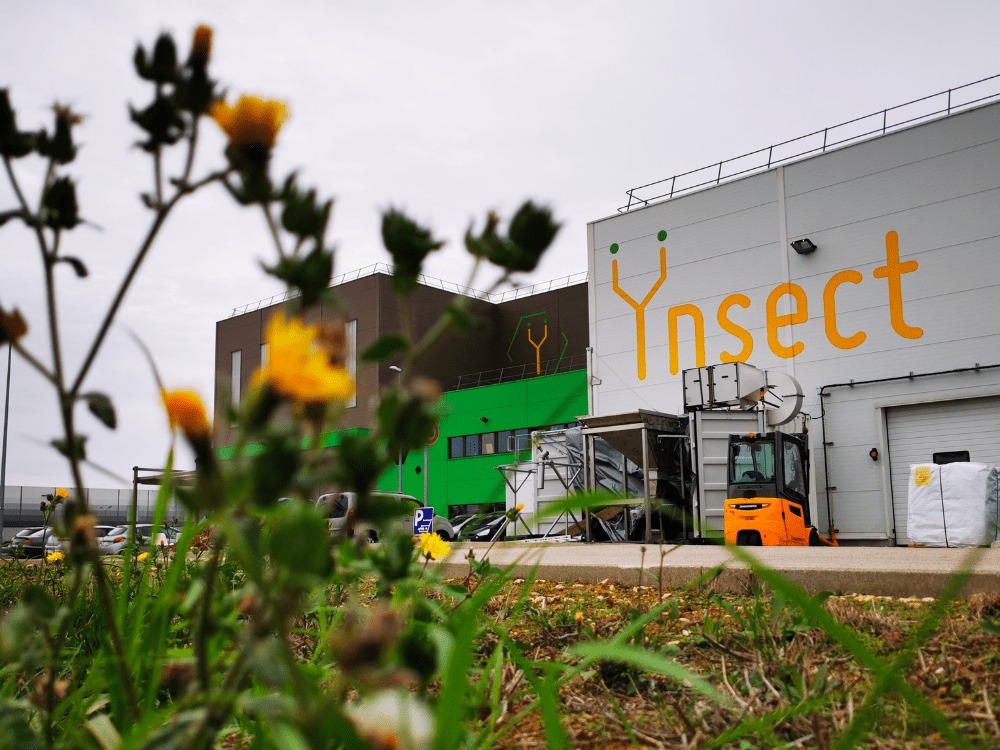
The vision for Ÿnsect and insect farming included building Ÿnfarm in Amiens. This facility was marketed as the world’s largest vertical insect farm, spanning 48,000 square meters with heavy automation. Ÿnsect and insect farming operations also included plants in Damparis near Dole, R&D facilities in Évry, and international presences in the Netherlands and Nebraska.
Kinsect explains that Ÿnsect and insect farming aimed to revolutionize the food chain. The company wanted bug-based protein to become a mainstream ingredient. On paper, the story looked perfect: circular economy, high-density protein, and climate-oriented capital.
What happened to Ÿnsect? The gap between vision and reality proved too wide to bridge.
The Slide: Safeguard to Insolvency
Financial cracks in Ÿnsect and insect farming appeared well before the final collapse.
September 2024: Safeguard Procedure
In September 2024, Ÿnsect and insect farming entered a safeguard procedure with the Évry Commercial Court. Fertilizer Daily reports that Ÿnsect faced severe financial difficulties and sought court protection while hunting for buyers or new investors.
February 2025: Formal Insolvency
In February 2025, Ÿnsect and insect farming entered formal insolvency proceedings. The company failed to secure financing under the initial court-approved plan. AgFunderNews notes that even a court-supervised restructuring couldn’t save the business.
Massive Layoffs
A restructuring plan for Ÿnsect and insect farming included massive layoffs. The company laid off 137 out of 194 employees, roughly 70% of the workforce. Ÿnsect and insect farming also froze part of the flagship Amiens facility to trial a cheaper, lower-tech production setup.
Even this leaner model for Ÿnsect and insect farming wasn’t enough to restore competitiveness.
Judicial Liquidation: The End of Ÿnsect
By the end of 2025, restructuring options for Ÿnsect and insect farming ran out completely.
Courts launched a formal tender process to find buyers or investors with a mid-February deadline. None of the offers ultimately saved Ÿnsect and insect farming operations. On December 2-4, 2025, a French commercial court pronounced judicial liquidation of Ÿnsect for insolvency.
Vertical Farm Daily confirms that the court effectively ordered the shutdown and sale of assets. TechCrunch summarized the moment as “How reality crushed Ÿnsect.” The company had been embattled for months, and liquidation wasn’t a sudden shock to insiders.
AgFunderNews emphasizes that Ÿnsect and insect farming liquidation is a sector signal, not just a one-off failure. Several insect farming companies face similar financial stress trying to move from pilot scale to industrial economics.

What Went Wrong with Ÿnsect and Insect Farming
Reports from multiple sources converged on several core problems with Ÿnsect and insect farming.
Capital-Intensive Mega-Factory Without Proven Economics
Ÿnsect and insect farming committed hundreds of millions into building Ÿnfarm before proving the business model. The Amiens site was described as “the world’s most expensive bug farm.” It consumed huge sums in robotics, automation, and vertical infrastructure.
These fixed costs locked Ÿnsect and insect farming into high burn rates and high production costs. This happened just as capital markets cooled and cheap money disappeared. A court-supervised plan tried to test a lower-tech, less automated production model at part of the Amiens factory. But for Ÿnsect and insect farming, this came too late to offset the sunk cost problem.
Weak Revenue Versus Massive Funding
Despite funding headlines, Ÿnsect and insect farming core revenue never caught up. Public data shows the main entity’s revenue peaked at about €17.8 million in 2021. This figure was reportedly inflated by internal transfers between subsidiaries.
By 2023, Ÿnsect and insect farming posted a net loss of €79.7 million. This highlighted a wide gap between income and spending. Over €600 million raised versus under €20 million in peak annual revenue is a ratio few industrial businesses can survive.
Confused Market Focus
TechCrunch emphasizes that Ÿnsect and insect farming real business was not mainstream human food. The company focused on animal feed and pet food, which have different economics and margins.
Insect protein for animal feed competes with soy, fishmeal, and other commodities. These markets have tight price and volume constraints. Premium pet food has better margins but is smaller and more brand-sensitive.
Ÿnsect and insect farming never clearly chose one focus early enough. The 2023 pivot toward pet food came after most capital-intensive bets were already locked in.
Sector-Wide Funding Headwinds
The global investment climate shifted against Ÿnsect and insect farming. Capital flowed heavily into AI and software instead of industrial climate hardware. In 2023-24, even after raising another €160 million, Ÿnsect had to close a Dutch plant and cut about 20% of staff.
Public and private financing for Ÿnsect and insect farming became much harder to secure. This left even well-known players exposed. Another French insect startup, Innovafeed, faced similar challenges, though it remains operational. Agronutris also entered protective procedures, showing that the whole insect farming sector struggled.
What This Means for Insect Farming
Commentary from industry analysts converges on several lessons from Ÿnsect and insect farming collapse.
Smaller Scales Work Better
Insect farming can work at smaller scales and in specific niches. Premium pet food, specialized feed, and fertilizers show promise. But mega-factories with heavy automation are hard to justify without stronger market pull and proven economics.
The failure of Ÿnsect and insect farming shows that sustainability alone doesn’t pay the bills. Even if insect protein is climate-friendly, customers still compare it on price, reliability, and performance against established feeds.
The Sector May Shift
The insect farming sector may shift toward simpler, less automated, more modular production models. This is closer to what Ÿnsect and insect farming was belatedly testing in Amiens before liquidation.
AgTech Navigator notes that the collapse of Ÿnsect and insect farming raises big questions. Is feed and fertilizer, not human food, the realistic future for insect farming? And under what cost and scale conditions can that future actually work?
The Bottom Line
Ÿnsect and insect farming represented Europe’s biggest bet on alternative protein. The company raised over $600 million to build the world’s largest vertical insect farm. By December 2025, Ÿnsect and insect farming ended in judicial liquidation after failing to find buyers or secure financing.
What happened to Ÿnsect? Four key factors destroyed the business. First, Ÿnsect and insect farming committed to a capital-intensive mega-factory before proving unit economics. Second, revenue never caught up to massive funding needs. Third, the company never clearly chose between animal feed and pet food markets. Fourth, the global funding climate shifted away from industrial climate startups toward AI and software.
The collapse of Ÿnsect and insect farming sends a signal to the entire sector. Mega-factories with heavy automation are risky without proven market demand and profitability. Sustainability credentials alone don’t guarantee business success.
For the future of insect farming, the lesson is clear. Smaller, simpler, more focused operations may succeed where Ÿnsect and insect farming failed. The industry needs to prove economics at modest scale before building billion-euro vertical farms.
Ÿnsect products like Ÿnfrass fertilizer and Ÿnmeal protein showed technical promise. But technical feasibility doesn’t equal commercial viability. The story of Ÿnsect and insect farming is a reminder that even climate-friendly innovations must face economic reality.
Author: M. Huzaifa Rizwan